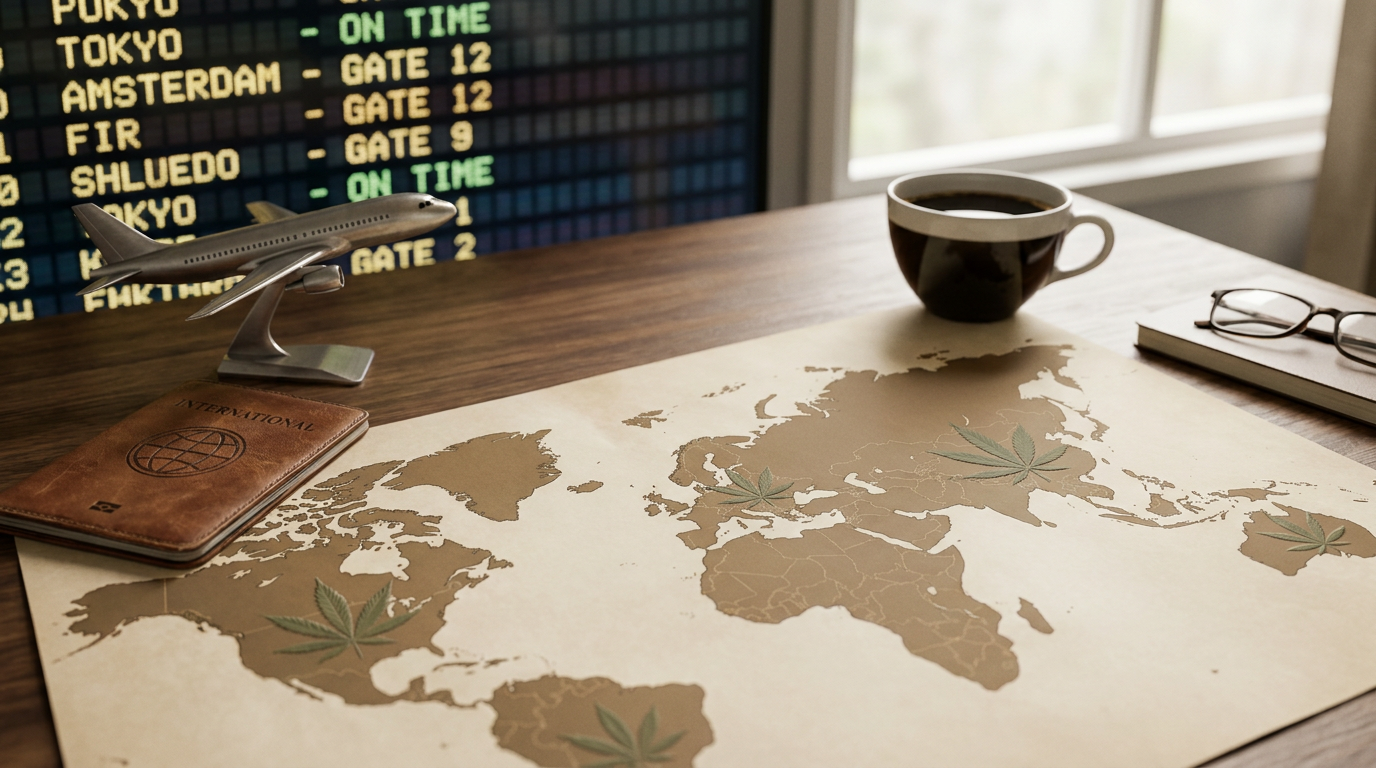
Cannabis tourism is an emerging travel topic that attracts adults interested in cannabis culture, local regulations, educational experiences, and destinations with legal cannabis-related businesses. From exploring Amsterdam’s famous coffee shop culture to learning about Canada’s regulated market, travelers can discover different perspectives on cannabis while enjoying new places and cultural experiences.
However, cannabis tourism requires careful planning. Laws vary significantly between countries, states, and cities, and a destination’s reputation does not always reflect its current regulations. Visitors must understand local restrictions, respect accommodation policies, and take personal safety seriously.
For beginners, the best approach is to treat cannabis tourism as an opportunity to explore responsibly rather than assuming that cannabis is permitted everywhere. This guide explains the basics of cannabis tourism and provides practical advice for safer travel.
What Is Cannabis Tourism?
Cannabis tourism refers to travel experiences connected with cannabis culture, history, education, or legally permitted activities. Depending on the destination, these experiences may include visiting cannabis museums, learning about local legislation, exploring licensed businesses, or attending cultural events.
Some travelers are interested in understanding how governments regulate cannabis, while others want to explore destinations known for their cannabis-related history. In many places, visitors can enjoy these experiences alongside traditional tourism activities such as sightseeing, dining, shopping, and outdoor adventures.
It is important to understand that cannabis tourism does not automatically mean tourists can legally purchase or consume cannabis. Some jurisdictions permit limited adult possession, while others restrict sales, public consumption, or access for visitors.
Before planning any cannabis-related activity, research the applicable laws using official government sources.
Popular Destinations Associated With Cannabis Tourism
Several destinations are frequently discussed in connection with cannabis tourism. Each has different regulations and visitor requirements.
Amsterdam, Netherlands
Amsterdam is internationally recognized for its coffee shop culture, where the retail sale of small quantities of cannabis is tolerated under specific conditions. The Netherlands does not have unrestricted cannabis legalization, and local rules can affect where visitors may purchase or consume cannabis.
The city also offers historic canals, world-class museums, traditional architecture, and a vibrant food scene. Beginners can enjoy a well-rounded trip by exploring its cultural attractions and learning about the country’s approach to cannabis policy.
Canada
Canada legalized recreational cannabis at the federal level in 2018, although provinces and territories establish additional rules. Vancouver and Toronto are popular destinations for their cultural attractions, restaurants, parks, and regulated cannabis retail markets.
Visitors must follow local age requirements and consumption restrictions. Cannabis cannot legally be carried across Canada’s international borders, even when the destination also permits cannabis use.
California, United States
California permits adult-use cannabis under state law for adults aged 21 and older, subject to restrictions. Los Angeles, San Francisco, and San Diego offer a combination of entertainment, coastal scenery, and cultural attractions.
Visitors should remember that cannabis remains illegal under US federal law. Local consumption rules also apply, and cannabis cannot legally be transported across state or international borders.
These destinations illustrate why researching current regulations is essential before making travel arrangements.
Research Cannabis Laws Before Traveling
Understanding local laws is one of the most important parts of cannabis tourism. Rules can vary considerably, even within the same country.
Before departure, check the following:
- Legal age: Confirm the minimum age for any permitted cannabis-related activity.
- Possession limits: Determine whether possession is allowed and what restrictions apply.
- Purchasing rules: Verify whether licensed retailers operate and whether tourists are eligible to purchase products.
- Consumption restrictions: Understand where consumption is permitted and whether public use is prohibited.
- Local regulations: Check municipal rules that may differ from national or state legislation.
- Travel restrictions: Review airport, customs, and border requirements before traveling.
Avoid relying exclusively on social media posts, outdated travel blogs, or informal advice from other tourists. Cannabis regulations can change, so current official guidance is more reliable.
Never Carry Cannabis Across International Borders
One of the most important safety rules for Cannabis Travel Guide is to avoid transporting cannabis internationally.
A product that is legal to purchase in one destination may be prohibited in another. International border restrictions may apply even when both countries have some form of cannabis legalization.
This includes cannabis flower, edibles, oils, and other cannabis-derived products. Medical authorization or a legal purchase receipt does not automatically permit international transportation.
Travelers should also research domestic transportation rules. For example, cannabis cannot legally be transported across US state lines, even when adult-use cannabis is legal in both states.
When in doubt, leave cannabis products behind and consult the relevant government or customs authority.
Choose Accommodation Carefully
Accommodation policies are another important consideration. A destination may permit certain cannabis activities, but individual hotels, hostels, and rental properties can still prohibit smoking or consumption.
Read the property’s rules before booking. If the accommodation is smoke-free, do not assume that opening a window or using a balcony makes smoking acceptable.
Violating accommodation policies may lead to cleaning charges, complaints, or cancellation of a stay. Respecting these rules also helps maintain a comfortable environment for other guests.
Beginners should prioritize accommodation with clear policies and convenient access to public transportation or other safe travel options.
Prioritize Personal Health and Safety
Cannabis can affect coordination, attention, reaction time, memory, and judgment. Its effects vary between individuals and can depend on the product, amount, and method of consumption.
Travelers who choose to use cannabis where legally permitted should consider several precautions.
Avoid Driving Under the Influence
Never drive, cycle in traffic, or operate machinery while impaired. Cannabis can affect the ability to react quickly and make safe decisions.
Plan transportation in advance by using public transit, licensed taxis, or rideshare services where available. If traveling with friends, arrange for a sober driver.
Be Careful With Edibles
Cannabis-infused foods and drinks may take longer to produce noticeable effects than inhaled products. Their effects can also last longer than expected.
Do not assume that an edible has no effect simply because the results are not immediate. Avoid consuming additional amounts while waiting for effects to appear, and follow applicable product safety guidance.
Avoid Mixing Intoxicating Substances
Combining cannabis with alcohol or other intoxicating substances can increase impairment and the risk of unpleasant effects.
Travelers should also consider possible interactions with prescription medications. Anyone with health concerns should speak with a qualified healthcare professional before using cannabis.
Protect Your Belongings
As with any international trip, keep passports, identification, money, and travel documents secure. Avoid unfamiliar offers that seem suspicious, and do not share personal information with unverified businesses.
Respect Local Culture and Communities
Cannabis laws are only one part of responsible tourism. Local attitudes can be influenced by cultural traditions, religious beliefs, public health concerns, and community expectations.
Avoid consumption in prohibited public spaces, near children, or in locations where it could disturb others. Follow signs, obey staff instructions, and respect smoke-free environments.
Travelers should also avoid pressuring friends or other visitors to participate in cannabis-related activities. Everyone should feel comfortable choosing their own travel experiences.
A respectful attitude helps visitors enjoy their destination without creating unnecessary problems for local residents.
Create a Balanced Travel Itinerary
A rewarding cannabis tourism trip should include more than cannabis-related activities. Exploring local attractions can provide a better understanding of the destination and make the experience more memorable.
Consider adding museums, historic districts, local markets, parks, food tours, and cultural events to your itinerary. Outdoor activities can also be enjoyable, provided travelers remain sober and follow relevant safety requirements.
Leave enough time for transportation, meals, rest, and unexpected changes. Avoid scheduling activities that require concentration or physical coordination after consuming intoxicating substances.
A balanced itinerary also reduces the pressure to make cannabis the central focus of every part of the vacation.
Common Mistakes Beginners Should Avoid
First-time cannabis tourists sometimes make avoidable mistakes because they rely on assumptions rather than current information.
Common errors include assuming legalization applies equally to tourists, consuming cannabis in prohibited public areas, ignoring hotel policies, purchasing products from unlicensed sellers, and attempting to carry cannabis through customs.
Another mistake is trusting outdated online information. Always confirm the rules shortly before departure and again when necessary during the trip.
Most importantly, never allow curiosity or social pressure to override personal safety and legal requirements.
Conclusion
Cannabis tourism can offer an interesting way to learn about local culture, regulatory approaches, and changing attitudes toward cannabis. Destinations such as Amsterdam, Canada, and California demonstrate how different jurisdictions approach cannabis-related tourism.
For beginners, preparation is the foundation of a safe experience. Research current laws, understand accommodation restrictions, avoid impaired driving, protect personal belongings, and never transport cannabis across international borders without clear legal authorization.
By respecting local communities and prioritizing health and safety, travelers can explore new destinations more responsibly. The most rewarding journey is one that combines cultural discovery with informed decisions and respect for the laws of the places being visited.